
Co-Pastor Process

About Our Co-Pastor Process

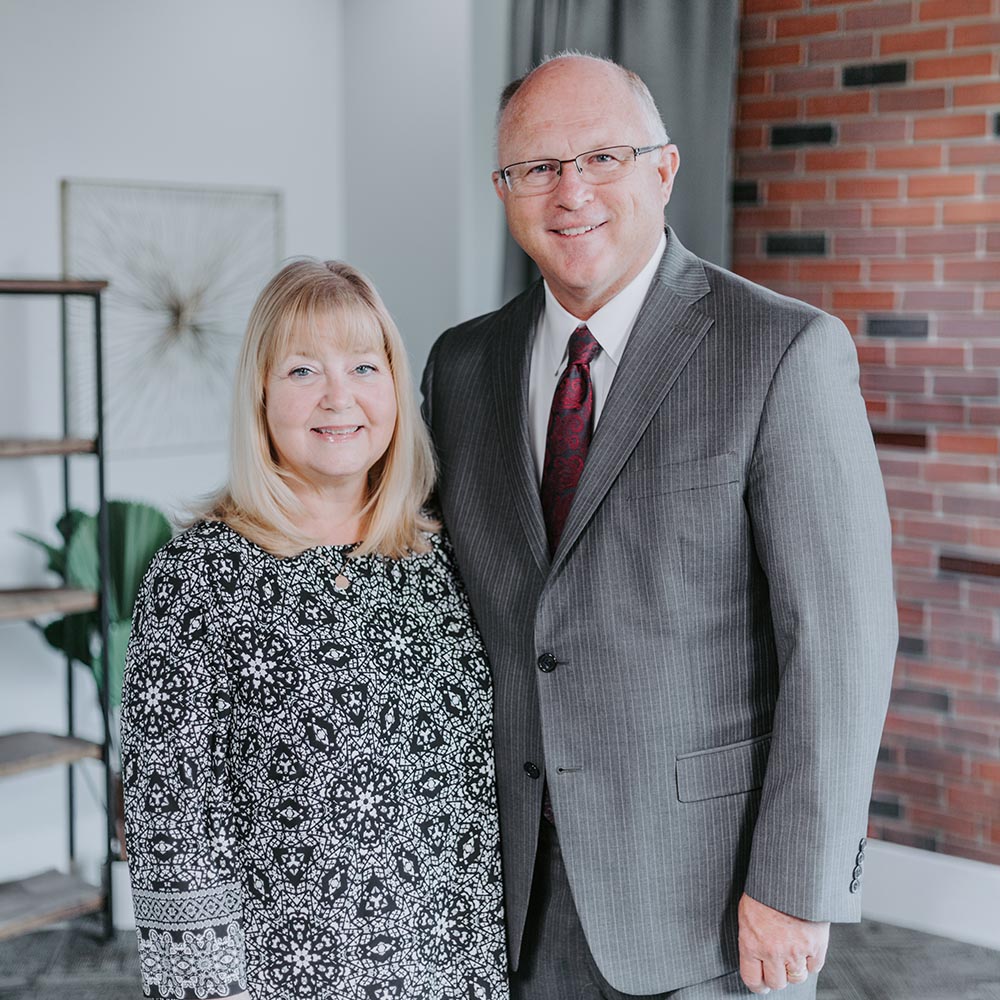
The Lord has blessed our church family with a faithful pastor, Dr. Paul Chappell, who has led Lancaster Baptist Church for four decades.

As Dr. Chappell approaches his mid-sixties, he has felt led of the Lord to identify a man of God whom he could carefully mentor, initially as a co-pastor, and then for the future of Lancaster Baptist Church. Dr. Chappell will continue as Senior Pastor of Lancaster Baptist for the foreseeable future, yet he and the deacons realize that Lancaster Baptist Church, Lancaster Baptist School, West Coast Baptist College, and the many other ministries of our church will require times of training and learning for an ultimate successor.

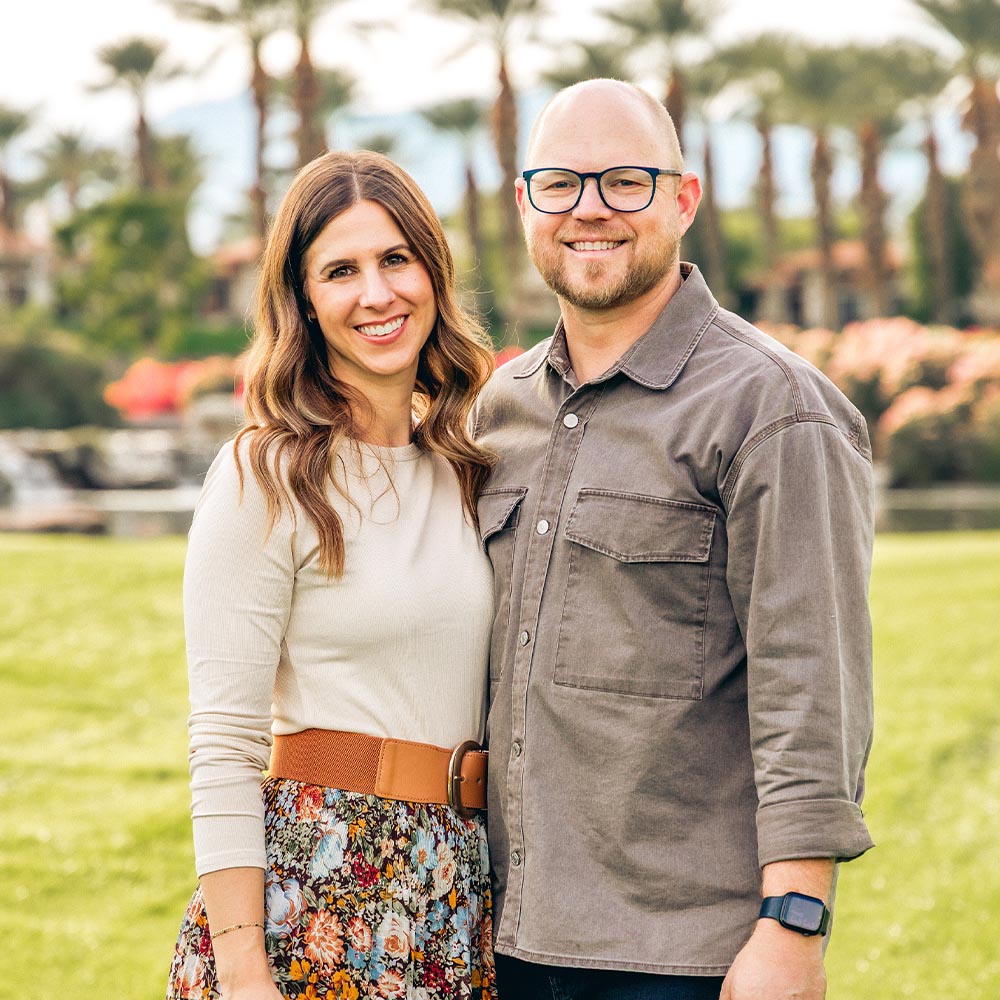
After extended seasons of prayer, counsel, and evaluation, a few of our senior deacons shared with Dr. Chappell their sense of God’s hand on our current Executive Pastor, Larry Chappell. Subsequently, further prayer and many meetings have taken place in which a unified sense of God’s leading was given to speak to Larry Chappell about the co-pastor opportunity.

In recent weeks, the church family has heard some of the same questions answered by Brother Larry Chappell that the deacons have heard over the past months. As a church family, we are taking time to seek the Lord together. Through the messages and Q&A sessions below, you will find opportunities to hear directly, gain understanding, and move forward with us in unity and confidence in God’s plan for the future of our church.

March 22, 2026: Sunday night message in which Pastor Chappell introduced the need for a prayerful, intentional approach to preparing for the future.
March 29, 2026: Q&A with Dr. Paul Chappell and Pastor Larry Chappell, addressing Larry’s testimony, calling, and doctrinal stand.
April 12, 2026: A brief statement by Dr. Paul Chappell, a statement from Executive Pastor Larry Chappell, followed by a second Q&A time with the church family.
March 8, 2026: Sunday evening message from Pastor Larry Chappell, "The Church On Mission” from Acts 1:1–11.

Frequently Asked Questions

Frequently Asked Questions

The following questions are provided to give clarity and understanding regarding the co-pastor process.

What is the co-pastor process?

The co-pastor process is a prayerful and intentional approach to preparing for the future leadership of Lancaster Baptist Church. Rather than waiting for a time of crisis or transition, this process allows for training, continuity, and spiritual preparation over time—similar to the biblical example of Moses and Joshua.

Why is Lancaster Baptist Church beginning this process now?

Pastor Chappell has shared that this process has been developing over several years through prayer, study, and counsel. The goal is wise stewardship—planning ahead so that the church remains strong and healthy for future generations, rather than reacting in a moment of uncertainty. 

Does this mean Pastor Chappell is stepping down?

No. Pastor Chappell has clearly stated that he plans to continue serving as senior pastor throughout this season. This is not an immediate transition, but a long-term plan that allows for continued leadership while also preparing for the future.

Additionally, Pastor Chappell has shared that even after a future transition is complete, he plans to remain actively involved in the life of the church and continue serving as president of West Coast Baptist College.

What is the purpose of having a co-pastor?

The purpose is twofold:

  1. To help share the growing responsibilities of a large and multifaceted ministry.
  2. To provide intentional training and preparation for future leadership.

This allows for continuity, stability, and a smoother transition when that time eventually comes. 

How was the co-pastor selection recommendation made?

The process of selecting and recommending Larry Chappell as a copastor has involved extended seasons of prayer, counsel, and evaluation. Pastor Chappell has worked closely with the deacons and sought input from trusted spiritual leaders. The process has included careful consideration of the candidate’s doctrine, character, leadership ability, and alignment with the church’s mission and values. 

What qualities were sought in a co-pastor?

Three primary qualities have guided this process:

  • A man who loves the church and its people
  • A man who guards and teaches biblical truth
  • A man who builds the church by reaching the next generation

These priorities reflect both biblical principles and the long-term vision for the ministry. 

What role do the deacons and church leadership play in this process?

The deacons have been actively involved through prayer, discussion, and evaluation over an extended period of time. They have met with and asked extensive questions of the candidate, helping ensure unity, doctrinal clarity, and careful discernment throughout the process.

Will the church have an opportunity to hear and ask questions?

Yes. Opportunities have been and will continue to be provided for the church family to hear directly through messages and Q&A sessions. These times are designed to help the church better understand the process, ask questions, and move forward together in unity.

What happens during the co-pastor phase?

During this phase, the co-pastor will:

  • Share in preaching and ministry leadership
  • Learn administrative and organizational aspects of the church
  • Participate in leadership meetings and decision-making processes

This period allows for hands-on training and a gradual transition of responsibility over time.

When would a transition of leadership take place?

There is no set timeline. Any future transition would happen prayerfully and intentionally, at the right time, and under the Lord’s direction. The goal is not speed, but clarity and readiness.

Why is planning ahead important for a church like this?

Planning ahead helps avoid confusion, instability, or crisis. Many ministries struggle when transitions are unplanned. A thoughtful, biblical approach helps ensure that the church remains strong, unified, and focused on its mission for years to come.

How should church members respond during this time?

Church members are encouraged to:

  • Pray for wisdom and unity
  • Stay engaged in the life and mission of the church
  • Seek understanding through the provided resources

Above all, this is an opportunity to trust the Lord and continue moving forward together in His will.